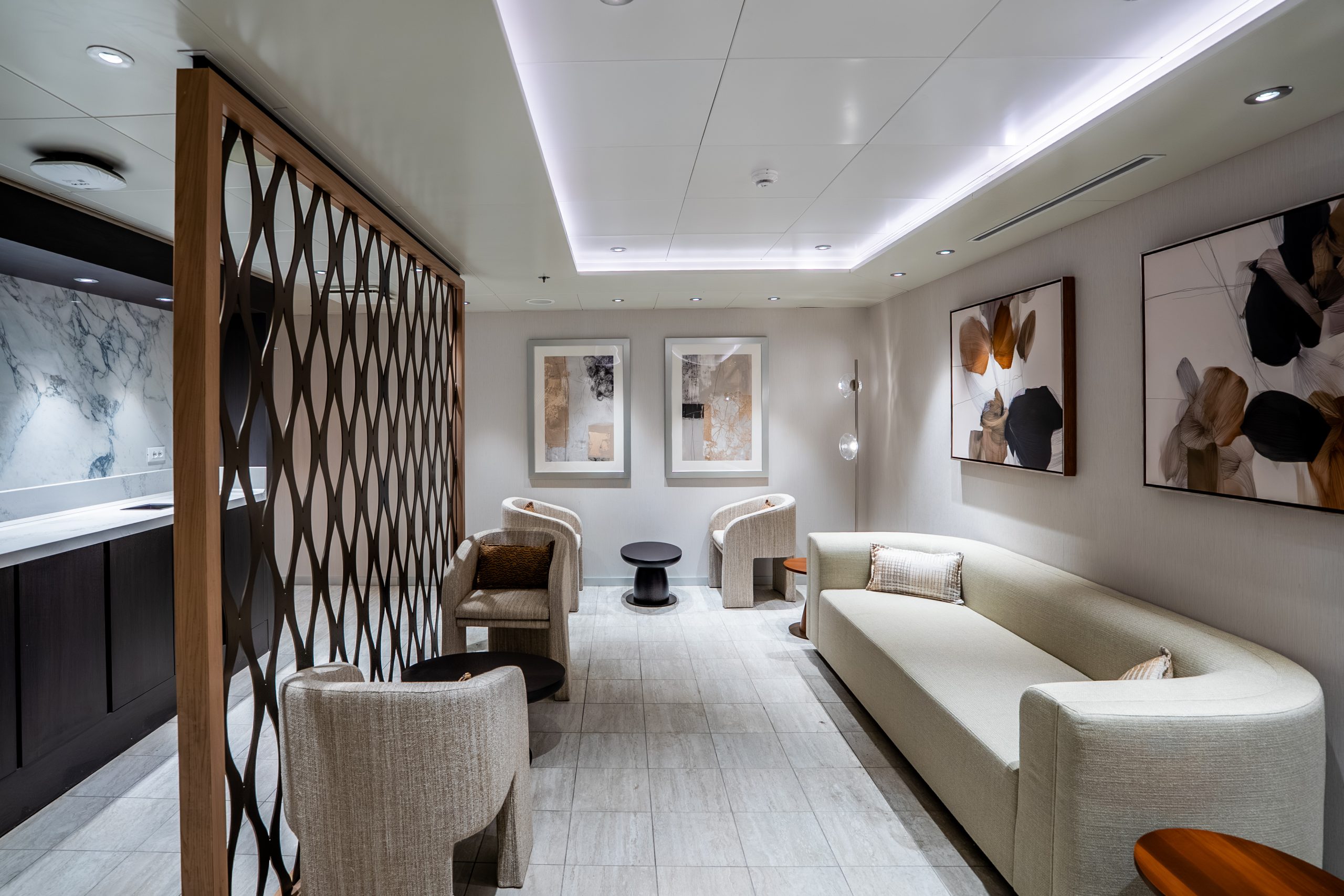
Building Wellness at Sea
A spa is one of the few places on board where time seems to slow down.
For guests, it is a place of silence, comfort and wellbeing. For those who build it, it is one of the most complex environments on a ship.
Designing and delivering a wellness area means bringing together architecture, engineering, structural works, technical systems, finishes and bespoke furniture into a single coordinated project. Every element has to work together to create an experience that feels effortless for the guest, while meeting the technical and operational requirements of a cruise ship.
More Than a Collection of Spaces
A wellness area onboard is much more than a series of treatment rooms.
Pools, jacuzzi areas, saunas, thermal experiences, beauty areas, lounges and retail spaces all need to coexist within a carefully designed environment, where aesthetics and technical performance are equally important.
Each project requires interventions that range from visible finishes to hidden structural modifications, often involving several disciplines working simultaneously in confined spaces and within highly compressed schedules.
This is why wellness projects demand an integrated approach capable of managing every phase of the process, from demolition and steel structures to installations, finishes and final detailing.
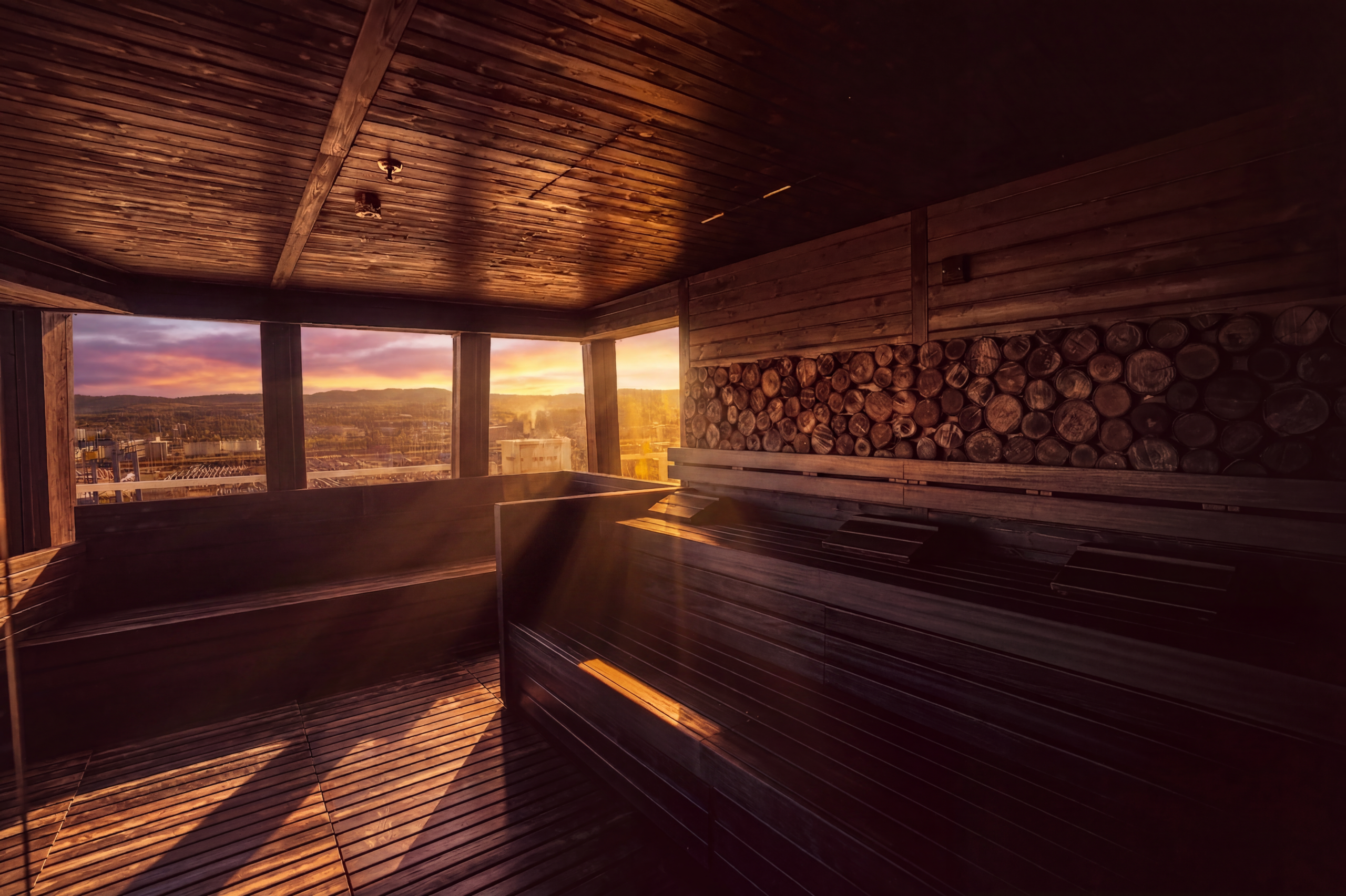
Beyond Design: The Technical Side of Wellness
Some of the most demanding work in a spa project is never seen by the guest.
Creating new wellness experiences often means intervening on the ship’s structure itself, integrating new technical systems and, in some cases, demolishing and rebuilding A60 compartmentation.
A60 bulkheads are not simple internal partitions. They are essential components of a ship’s passive fire protection system, designed to prevent the spread of flames and smoke between different onboard areas while maintaining the vessel’s compartmentation in accordance with international regulations.
Working on these structures means combining engineering, steel fabrication and certification requirements within an already complex environment.
The ability to integrate these technical interventions with architectural and finishing works is what allows new guest experiences to take shape while ensuring that every modification remains fully compliant with the ship’s safety requirements.
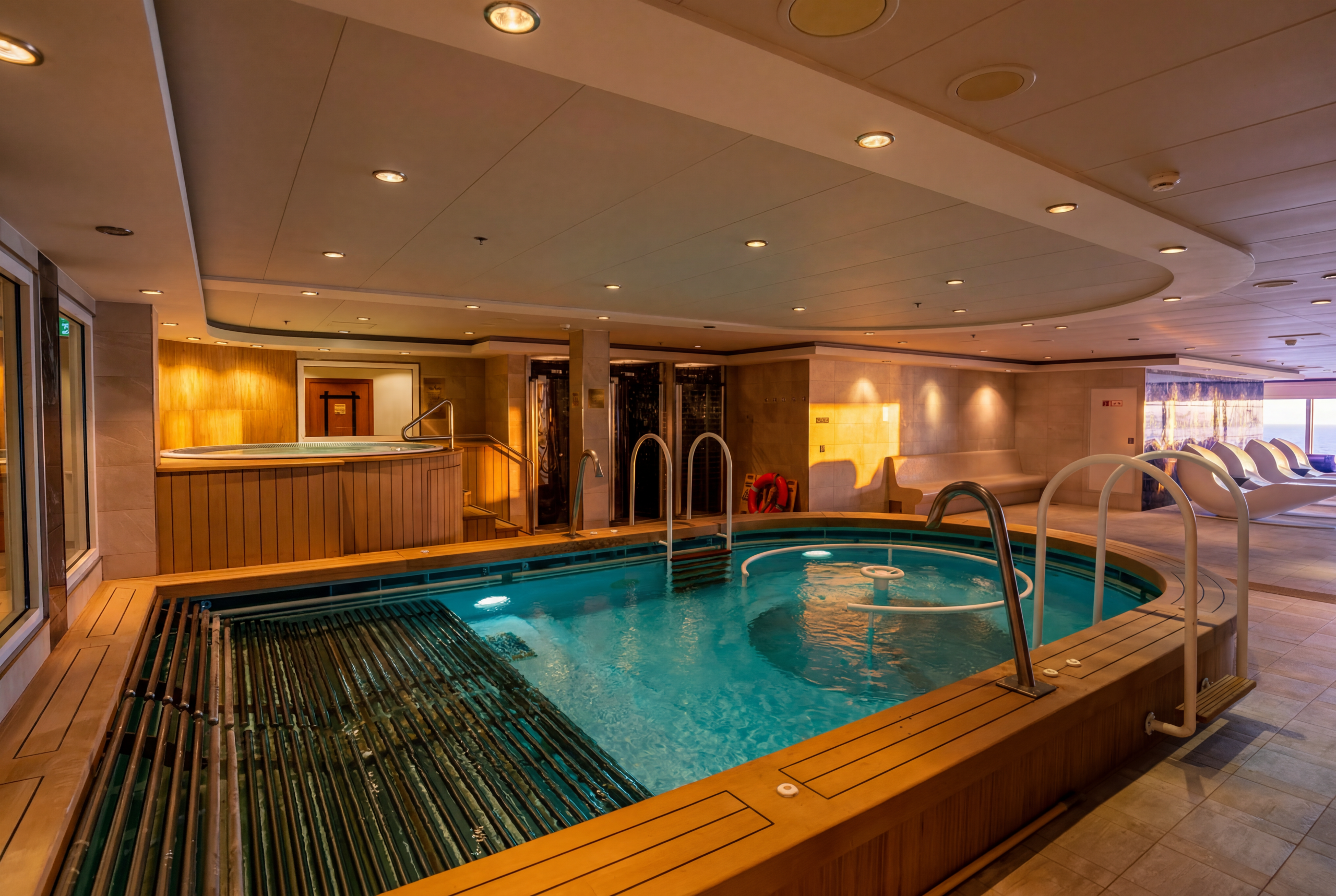
Projects such as Norwegian Gem, Norwegian Jade and Valiant Lady are recent examples of SAVI’s approach to onboard wellness areas.
While every ship presents different layouts, requirements and operational constraints, wellness projects often share the same level of complexity.
A typical spa transformation can involve:
- approximately 900–1,000 sqm of renovated wellness areas;
- around 900 sqm of new flooring and wall coverings;
- more than 150 technicians involved throughout the project;
- dedicated day and night teams working simultaneously;
- structural interventions, including steelworks and new A60 compartmentation;
- the integration of new guest experiences, from pools and jacuzzi areas to saunas, treatment rooms and relaxation spaces.
These projects frequently include the complete renewal of wellness ecosystems, combining guest areas, retail spaces, beauty stations and technical interventions within a single coordinated programme.
One of the latest examples is the recent dry dock of Norwegian Gem in Marseille, where SAVI completed the transformation of the ship’s wellness area in just three weeks, delivering a completely renewed experience featuring a new pool area, jacuzzi, saunas, Salt and Ice Rooms, a new lounge and treatment areas, together with the refurbishment of the Reception, Wellness Retail, SkinLab, Manicure and Pedicure areas, IV Drip Station and Hair Salon.
More than individual refurbishments, these projects demonstrate how complex interventions involving structures, finishes and technical systems can be integrated and delivered within the demanding timelines of modern ship refitting.
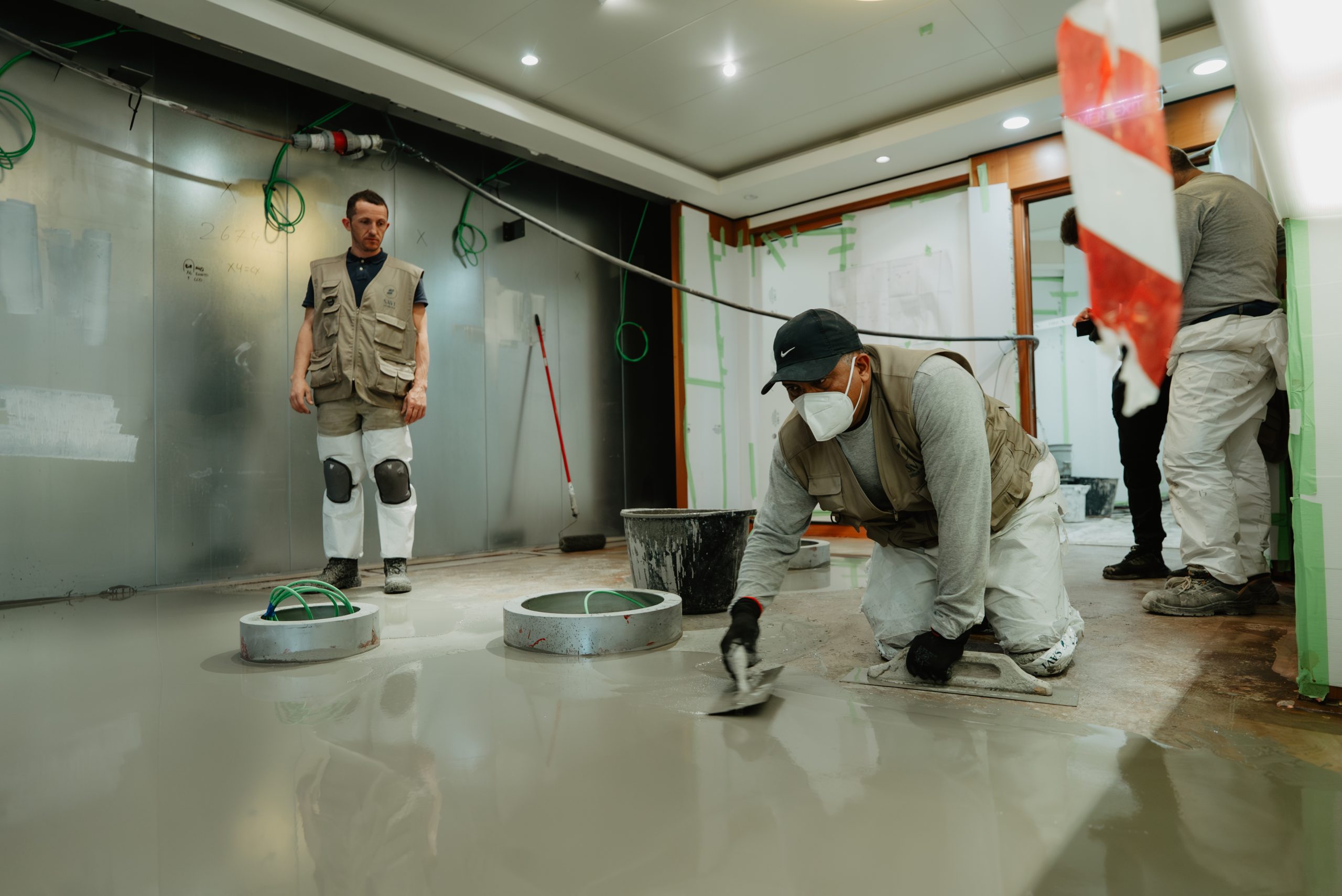
Creating Experiences That Feel Effortless
Every wellness project is different.
Different ships, different layouts and different operational requirements all lead to different solutions.
What remains the same is the objective: creating spaces where guests can slow down and disconnect, even though their construction requires extraordinary levels of planning, coordination and technical expertise.
Because in ship refitting, wellness is more than beautiful spaces.
It’s the art of making complexity feel effortless.